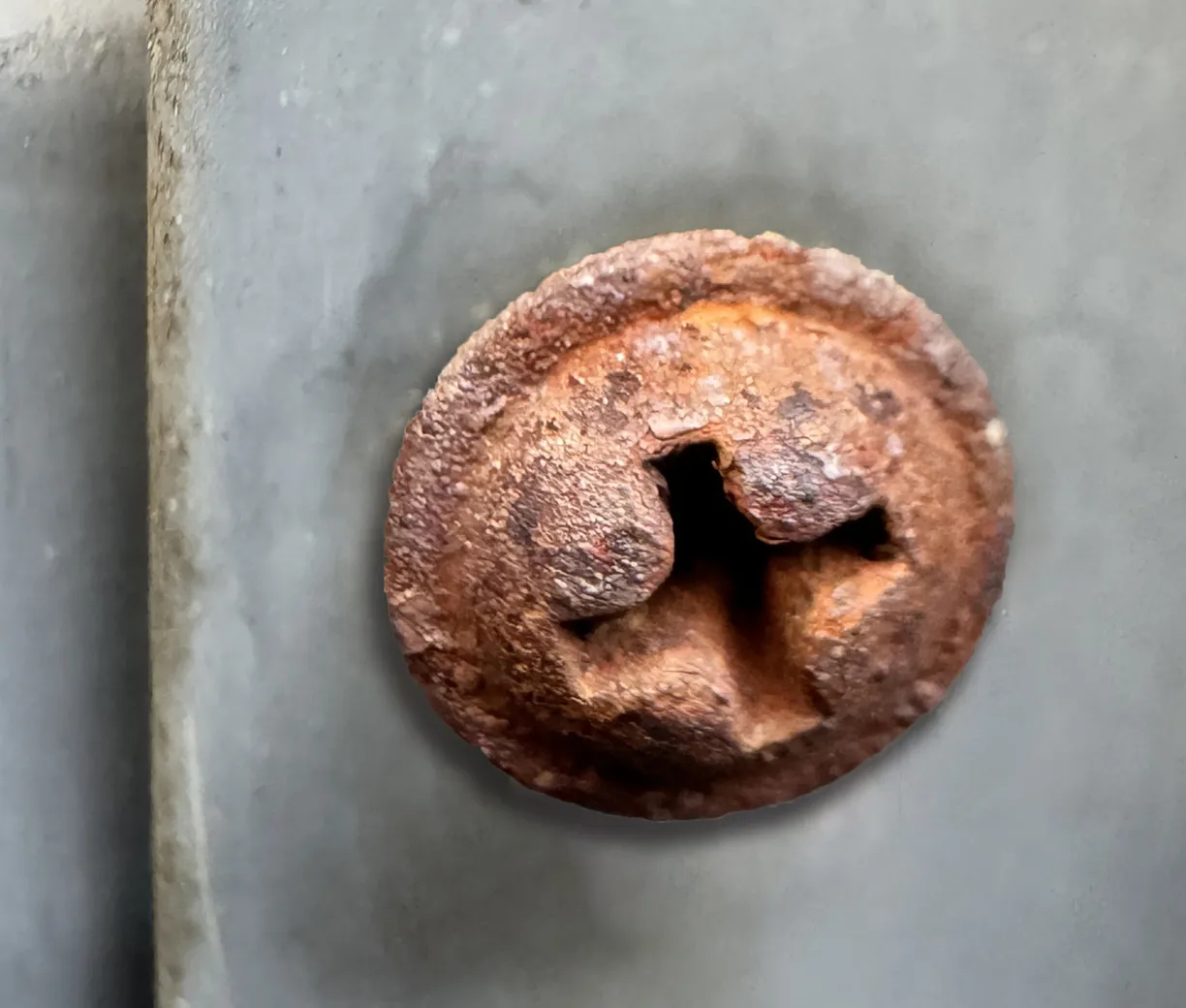
Galvanic Reaction Chart

Understand metal compatibility and reduce dissimilar metal corrosion risk when selecting fasteners.

When dissimilar metals come into direct contact in the presence of an electrolyte solution (e.g. salts, acids, or bases dissolved in water or moisture), galvanic corrosion can occur. This chart is designed to help contractors quickly evaluate compatibility between common construction metals and select appropriate fasteners for long-term performance.


Interior construction site with metal wall studs and partially installed drywall panels.

What Is Galvanic Corrosion?

Galvanic corrosion occurs when two dissimilar metals come into direct contact in the presence of an electrolyte solution. The resulting electrochemical reaction can accelerate corrosion in the less noble metal (anodic or more reactive), potentially weakening assemblies and reducing fastener performance.

Understanding metal compatibility helps contractors, engineers, and specifiers select fasteners and materials that minimize corrosion risk and extend the life of the installation.

EXPLORE INTERACTIVE CATALOG
Corrosion-resistant fastener options

How To Reduce The Risk
Of Corrosion Before It Starts

Fasteners often connect different metals within construction assemblies. When dissimilar metals interact, and under the wrong conditions, corrosion can accelerate and compromise long-term assembly performance.

Understanding galvanic compatibility helps ensure longer-lasting installations and more reliable fastener performance.
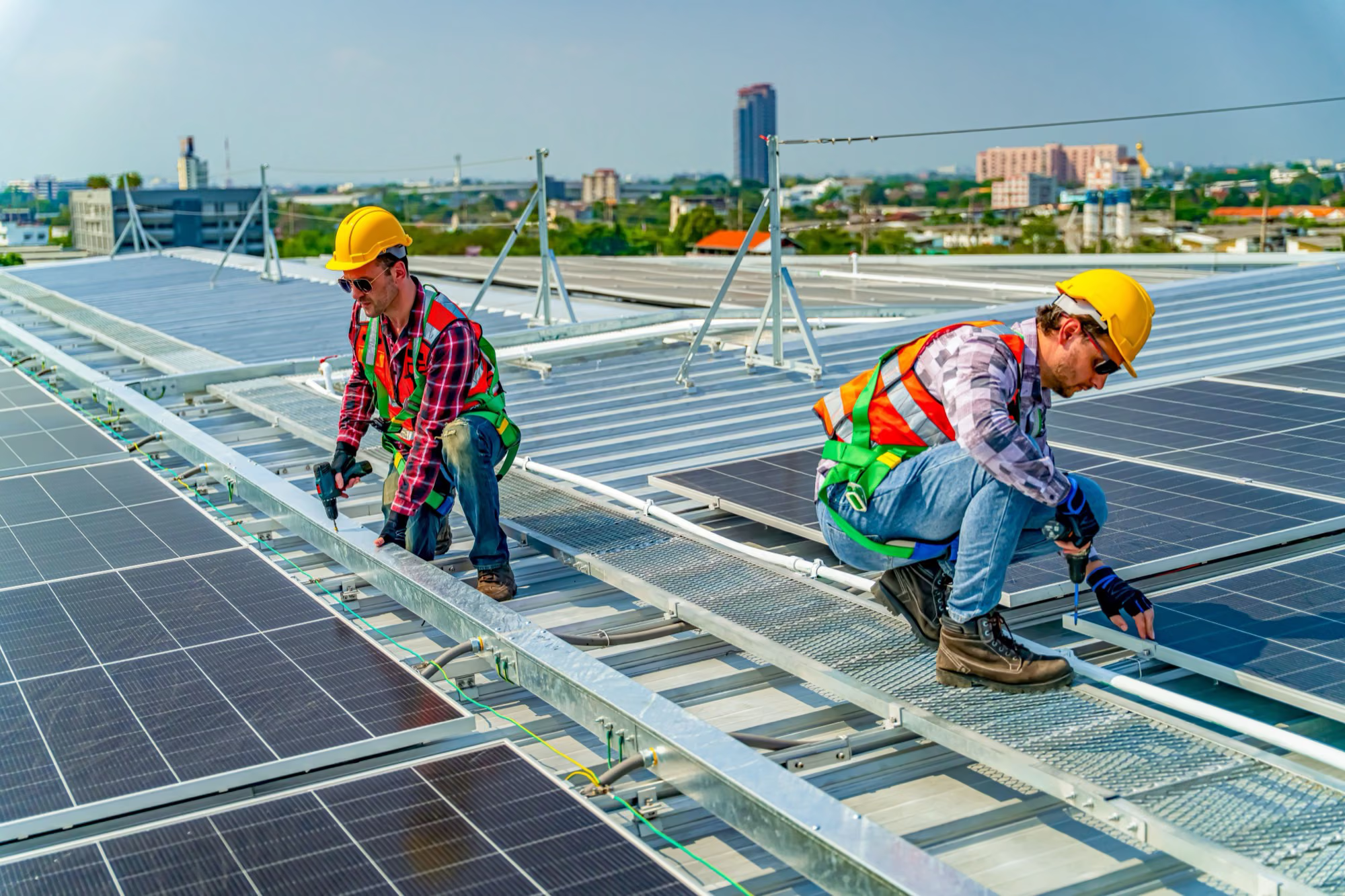
Silhouette of a construction worker using a power drill on a metal frame during sunset.
Common applications where compatibility matters
Choosing compatible fasteners and coatings can significantly reduce corrosion risk.
Steel fasteners (carbon steel and stainless steel) with aluminum framing
Stainless steel screws with galvanized steel framing
Copper flashing with steel framing

How to Read the Chart

01
Identify the base material

Find the primary metal used in the assembly across the top of the chart.

02
Locate the fastener finish or metal

Identify the material or finish used for the fastener down the side of the chart.

03
Cross-reference the intersection

Where the two metals meet indicates corrosion risk.

Color Guide
Lower corrosion risk
Higher corrosion risk

Environmental conditions such as moisture, salt exposure, and protective coatings can influence corrosion performance. Always consider the full installation environment when selecting fasteners.

Specific circumstances and environments must be fully assessed by qualified professionals to assure adequate materials and corrosion protection methods are in place. The choice of the materials used, and the corrosion protection methods employed, remain the responsibility of the end user.

Grabber strongly encourages consulting with local design engineers for all corrosion protection decisions. Ultimately, only the building official has authority to determine whether a construction product, material, or method complies with the code.

Metal Compatibility Chart

Galvanic Corrosion Risk
Corroding Metal
Magnesium and Alloys
Zinc and Alloys
Aluminum and Alloys
Cadmium
Carbon Steel
Cast Iron
Stainless Steels
Lead, Tin, and Alloys
Nickel
Brasses, Nickel-Silvers
Copper
Bronzes, Cupro-Nickels
Nickel Copper Alloys
Nickel-Chrome Alloys, Titanium, Silver, Graphite, Gold, and Platinum
Contact Metal
Magnesium and Alloys
Zinc and Alloys
Aluminum and Alloys
Cadmium
Carbon Steel
Cast Iron
Stainless Steels
Lead, Tin, and Alloys
Nickel
Brasses, Nickel-Silvers
Copper
Bronzes, Cupro-Nickels
Nickel Copper Alloys
Nickel-Chrome Alloys, Titanium, Silver, Graphite, Gold, and Platinum
Lower risk
Higher risk
Higher risk
Higher risk
Higher risk
Higher risk
Higher risk
Higher risk
Higher risk
Higher risk
Higher risk
Higher risk
Higher risk
Higher risk
Lower risk
Lower risk
Higher risk
Higher risk
Higher risk
Higher risk
Higher risk
Higher risk
Higher risk
Higher risk
Higher risk
Higher risk
Higher risk
Higher risk
Lower risk
Lower risk
Lower risk
Higher risk
Higher risk
Higher risk
Higher risk
Higher risk
Higher risk
Higher risk
Higher risk
Higher risk
Higher risk
Higher risk
Lower risk
Lower risk
Lower risk
Lower risk
Higher risk
Higher risk
Higher risk
Higher risk
Higher risk
Higher risk
Higher risk
Higher risk
Higher risk
Higher risk
Lower risk
Lower risk
Lower risk
Higher risk
Lower risk
Higher risk
Higher risk
Higher risk
Higher risk
Higher risk
Higher risk
Higher risk
Higher risk
Higher risk
Lower risk
Lower risk
Lower risk
Lower risk
Higher risk
Lower risk
Higher risk
Higher risk
Higher risk
Higher risk
Higher risk
Higher risk
Higher risk
Higher risk
Lower risk
Lower risk
Lower risk
Lower risk
Higher risk
Higher risk
Lower risk
Higher risk
Higher risk
Higher risk
Higher risk
Higher risk
Higher risk
Higher risk
Lower risk
Lower risk
Lower risk
Lower risk
Lower risk
Lower risk
Higher risk
Lower risk
Higher risk
Higher risk
Higher risk
Higher risk
Higher risk
Higher risk
Lower risk
Lower risk
Lower risk
Lower risk
Lower risk
Lower risk
Lower risk
Lower risk
Lower risk
Higher risk
Higher risk
Higher risk
Higher risk
Higher risk
Lower risk
Lower risk
Lower risk
Lower risk
Lower risk
Higher risk
Higher risk
Higher risk
Higher risk
Lower risk
Higher risk
Higher risk
Higher risk
Higher risk
Lower risk
Lower risk
Lower risk
Lower risk
Lower risk
Lower risk
Higher risk
Higher risk
Higher risk
Lower risk
Lower risk
Higher risk
Higher risk
Higher risk
Lower risk
Lower risk
Lower risk
Lower risk
Lower risk
Lower risk
Lower risk
Lower risk
Lower risk
Lower risk
Lower risk
Lower risk
Higher risk
Higher risk
Lower risk
Lower risk
Lower risk
Lower risk
Lower risk
Lower risk
Lower risk
Lower risk
Lower risk
Lower risk
Lower risk
Lower risk
Lower risk
Higher risk
Lower risk
Lower risk
Lower risk
Lower risk
Lower risk
Lower risk
Lower risk
Lower risk
Lower risk
Lower risk
Lower risk
Lower risk
Lower risk
Lower risk

Galvanic compatibility values are based on standard electrochemical potential rankings of common construction metals.

DOWNLOAD CHART
Interior construction site with metal wall studs and partially installed drywall panels.

Fasteners Built To Reduce Corrosion Risk

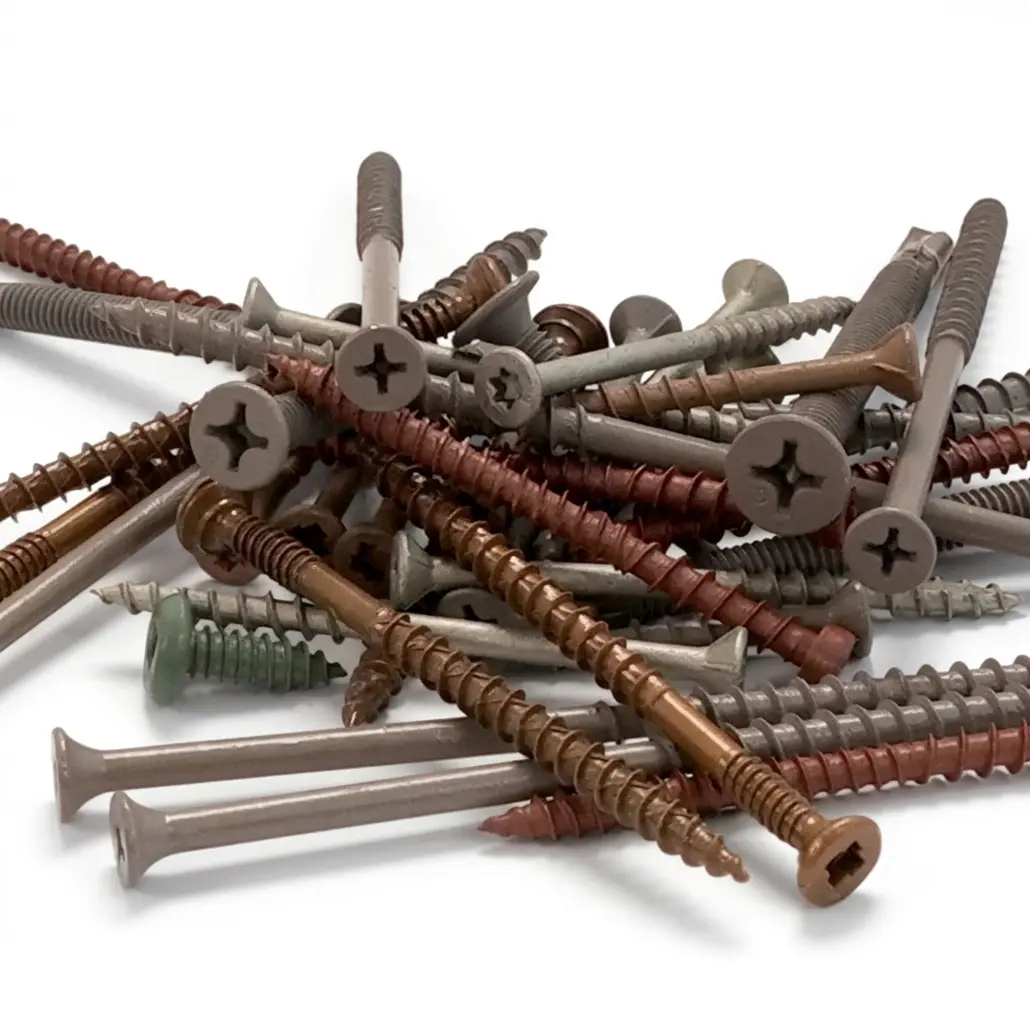
Grabber contractor-grade fasteners are engineered with materials, finishes, and GrabberGard® coatings designed to improve corrosion resistance across a wide range of construction applications.

Selecting the correct fastener helps protect assemblies from galvanic corrosion and extend installation life.
Choose the Right Fastener for the Job

Selecting the correct fastener and coating can help prevent corrosion, protect materials, and improve long-term performance across the entire assembly.

Download Interactive Catalog
e3d00899-d05a-4259-aff4-6738054aeb97
Let's Connect
0942d0d6-cb97-4175-a3ac-e46830e383ca